

Les Principes d’Alignement Universels
Une serie de 4 cours pour tout aligner et liberer
Stabiliser. Mobiliser. Libérer.
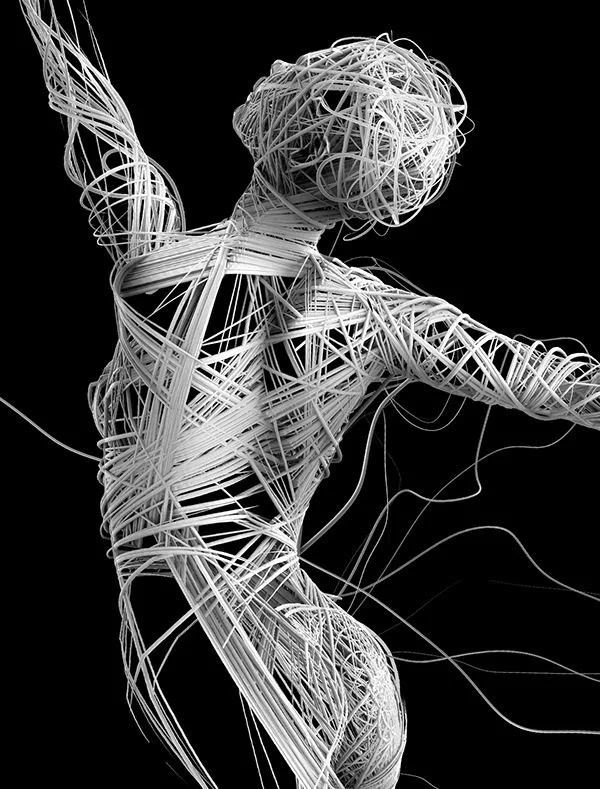
The Fascia provides strength and fluidity
Les Principes d'Alignement Universels réfèrent à une approche de correction posturale qui favorise l’aise et l'efficacité dans tous les mouvements, que ce soit au bureau, dans le yoga ou dans ton sport préféré.
Le corps aligné permet à tous les muscles et à toutes les articulations de fonctionner de manière optimale et sécuritaire.
Viens apprendre à bouger avec aisance, liberté, et efficacité à travers tout ce que tu fais.
Idéal pour :
🌀 RELÂCHER les tensions,
🌀 RÉALIGNER la structure
🌀 RÉDUIRE les risques d’usure et de blessures
🌀 RÉÉDUQUER le corps pour qu’il bouge à son mieux, peu importe l'activité, la posture ou l’exercice.

Le corpus pour un corps libre
Chaque cours offrira de la théorie et des appuis visuels, suivi de techniques pratiques pour favoiser le relâchement et la rééducation.
20 JANVIER :
+ Introduction Principes d’Alignement Universels
+ L'anatomie de la respiration : le lien entre l’alignement et le système nerveux
+ La technique “3D aisée”
+ La connexion Sternum-Sacrum
17 FÉVRIER
L’anatomie de la ceinture scapulaire
+ Le lien avec la respiration
+ Principes d’alignement pour les épaules, le cou, et les poignets
17 MARS
L’anatomie de la ceinture pelvienne
+ Le lien avec la respiration
+ Principes d’alignement pour le bas du dos, les hanches, les genoux, les chevilles
14 AVRIL
Le corps vue d’ensemble
Les Principes d’Alignement Universels appliques dans des postures de yoga, des activités quotidiennes et des exemples de mouvement récurrents dans le sport
Pour plus de détails, voir l’horaire et “les 5Rs” ci-dessous.
Les 5Rs en plus de détails:
Chaque cours offirar une intor theorique avec appuis visuels pour miex comprendre l’anatomie de la region.
🔹 Renseigner:
🔹 Relâcher :
Permet aux articuations et aux tissues d’etre disponilbes au changment.
Le relâchement se fait avec des exercices inspirés du fascia, du Feldenkrais, du Pilates et d’autres exercices somatiques
Chaque cours s’inspire de l’approche Tout en Santé (développée par Carina), pour partager des clefs qui s’appliquent à tout le monde.
Qu’est-ce que ‘cest les 5Rs?
Les 5Rs référent à quoi?
Relâcher
Réalgner
Rééeduquer
Restaurer
Reposer
6:30-6:45
Anatomie de la région avec appui visuels
Exploration de tous les mouvements possibles dans cette région, ce qu’on appelle l'amplitude articulaire
Reeeduquer l’asana
Restaurer avec des exercices de respiration visée à la région
7:40-7:45
Repos pour inviter au corps d'intégrer ce qu’il a appris
Vous explorerez un mélange intuitif de :
🔹 Relâcher
🔹 Réaligner
🔹 Rééduquer
🔹 Restaurer
🔹 Reposer
📌 Tous niveaux | Travail au sol |

Details
Hours
mercredis 18:30-20:00
Dates
- 20 janvier, 17 février, 17 mars, 14 avril 2027
Avec rediffusions
Language:
Enseignement : Français
Questions & échanges : Anglais/ Français
Yoga ReSource Montreal
Online, on Zoom

YOUR TEACHERS

-
Kathryn Martin is an Anatomy Trains structural integrator, advanced FAMO Fascia Movement practitioner, and Pilates instructor with a longstanding passion for education. She is a lecturer for the Art of Motion Academies' FAMO Fascia Movement professional certification programs and assists Tom Myers and the Anatomy Trains faculty in courses taught around the world.
Kathryn's work explores the intersection between structure, movement, and human experience. Her early studies in engineering and English literature reflect a dual fascination with mechanics and meaning, interests that found their natural convergence through fascia-focused anatomy and integral movement practices. This perspective continues to shape her teaching, where structure and sensation, precision and curiosity are equally valued.
She is inspired by the ability of conscious movement to cultivate comfort, functionality, resilience, and confidence in the whole person. Kathryn teaches group classes in Montreal and works one-on-one in her Westmount office.
She particularly enjoys being outdoors, immersed in natural landscapes, whether hiking, kayaking, or quietly reading in good company.
-
B.Sc, Yoga Therapist, E-RYT500, ANQ, RITMA
Carina Raisman has been a yoga therapist and instructor for over 20 years.
As the head of Yoga ReSource—School & Clinic of Therapeutic Yoga, and holder of a BSc in Microbiology and Immunology (McGill), Carina is dedicated to bridging the gap between modern medicine and yoga therapy.
Through research, interdisciplinary collaboration, and clinician training, she works to integrate the principles of therapeutic yoga into the healthcare system, making this approach accessible, effective, and sustainable.Her teaching emphasizes alignment, respiratory function, nervous system modulation, and the art of guiding the body toward its natural healing potential.
carina@resourceyoga.com
-
Natalie Kakon is an educator in motion with over 20 years of experience studying and working with the body, particularly in the fields of massage therapy, yoga therapy, fascia, and hormonal health. Her work bridges physiology and lived experience, helping people understand their bodies from the inside out.
Why fascia, now?
The fascia is the continuous connective tissue network that connects muscles, organs, and the nervous system.
Long overlooked, it is now recognized as a key player in mobility, pain, and autonomic regulation.
-
Impaired fascial gliding can contribute to feelings of stiffness, discomfort, or diffuse pain.
Slow, targeted work supports tissue rehydration and functional mobility. -
The diaphragm is deeply connected to the fascial chains.
Breathing directly influences tissue tension, pressure, and dynamics. -
The fascia is richly innervated.
Conscious, rhythmic, and breath-based work can support the regulation of the autonomic nervous system and promote a state of internal security.
.
A more regulated system.
Take a break for yourself.
Treat yourself to this precious space where breath, silence and movement unite to help you better inhabit your body and mind.